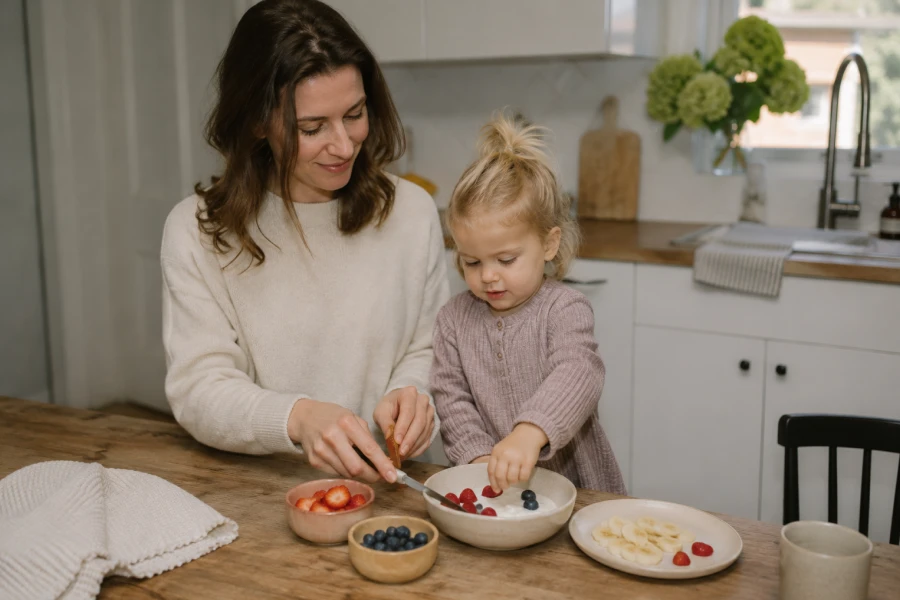
Picky eating progress often looks smaller than parents expect. A child may touch a food before tasting it. They may smell a vegetable and still refuse it. They may allow a new food on the plate without panic. These moments matter because food acceptance builds in stages. Parents can miss progress when they only count swallowed bites. A calmer view helps families stay consistent. It also protects children from pressure. Mealtime becomes practice instead of a daily test. That shift can change the entire table.
Observation helps parents understand patterns without rushing solutions. Some children avoid textures. Others resist mixed foods. A few need extra time with new smells. Tracking these details prevents guesswork. Parents can use a picky eating tracker to notice subtle changes. The goal is not to label the child. It is to understand the barriers. Better information leads to better support. Families stop repeating strategies that never fit. Progress becomes easier to recognize because it has a clearer shape.
Children communicate comfort before they communicate acceptance. A glance can be progress. Sitting near a new food can be progress. Touching sauce with a fingertip can be progress. These signals show growing tolerance. Parents should respond calmly. Too much celebration can create pressure. Too much disappointment can create shame. Neutral encouragement keeps the table safe. Children try more when adults notice effort without turning it into performance.
Pressure often narrows a child’s food world. Bribes may work once but fail later. Threats create fear around the table. Repeated pleading turns meals into battles. A better approach keeps exposure low-pressure and predictable. Place one tiny portion near familiar foods. Let the child decide what happens next. Parents can model tasting without demanding imitation. A new food exposure plan works best when it feels ordinary. Calm repetition beats dramatic persuasion.
Repetition gives children time to adjust. Many foods need repeated exposure before they feel safe. Parents should not treat refusal as a final answer. Today’s no may become tomorrow’s touch. Next week, that touch may become a lick. Later, the child may accept a bite. This timeline can feel slow. Yet slow progress often lasts longer. Families gain patience when they expect repetition. Consistency gives the child space to grow.
Tracking should support the parent, not pressure the child. Keep notes simple. Record the food, the response, and the setting. Notice whether hunger, fatigue, or distractions affected the meal. Avoid discussing the notes at the table. Children should not feel studied while eating. Parents can review patterns privately. A food progress chart helps reveal movement over time. The process feels calmer when data replaces frustration. Small wins become visible.
Emotional safety protects long-term eating confidence. Children need to trust that meals will not become fights. Parents can set boundaries while staying warm. Serve the meal. Offer familiar food alongside new food. Avoid becoming a short-order cook. At the same time, do not force bites. This balance teaches structure and autonomy. It also keeps connection intact. The child learns that food exploration can happen without fear. That lesson matters as much as any single meal.


Leave a comment