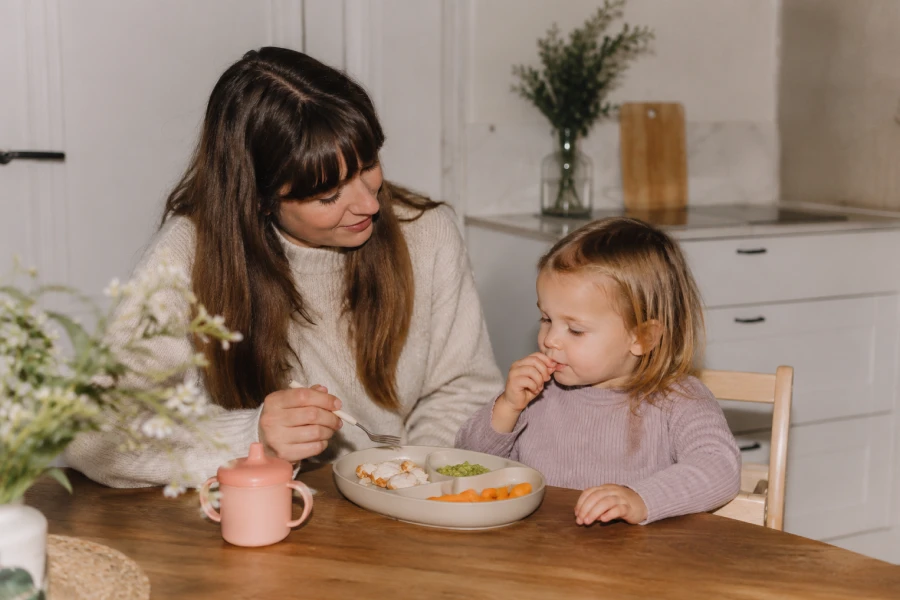
A picky eater food routine helps families stop treating every meal like a verdict. One dinner does not define success. One refusal does not erase progress. Children need repeated, calm chances to interact with food. Parents need structure that lowers emotional weight. A routine gives both sides something dependable. It turns mealtimes into practice sessions without making the child feel tested. That difference matters. Families usually improve faster when pressure decreases. Food confidence grows through steady exposure, not surprise demands.
Predictability helps children relax around unfamiliar foods. They know familiar options will appear. They know adults will not force bites. They also know new foods may show up in small amounts. This balance reduces fear. Parents can pair safe foods with learning foods. The plate becomes familiar and flexible. A food acceptance steps approach supports gradual change. Children feel less cornered. Parents feel less desperate. Predictability makes practice possible.
Safe foods are not the enemy. They help children stay regulated during meals. A child who sees one trusted food can handle more uncertainty. Parents should include safe foods without letting them replace every meal. Add one small learning food beside them. Keep the portion tiny. Avoid commenting too much. The routine should feel ordinary. When safe foods anchor the meal, new foods feel less threatening. This creates room for curiosity.
Family meals should build connection, not constant conflict. Parents can serve shared foods in flexible forms. A sauce can stay on the side. A vegetable can appear raw and cooked. A protein can be offered plain before seasoning. These adjustments reduce resistance without creating separate meals. Children still see the family food. They also keep some comfort. A family meal wins mindset helps parents notice what works. Less conflict leaves more space for learning. The table feels warmer.
Small goals make progress easier to repeat. A goal might be smelling a food. Another might be touching it with a fork. A later goal might be licking or biting. Parents should choose one goal at a time. Too many goals create pressure. Children need success they can actually reach. A tiny step still builds familiarity. Repeated familiarity changes food expectations. The routine becomes a ladder, not a leap. That ladder supports long-term confidence.
Setbacks are normal in childhood eating. Illness can shrink food variety. Growth changes can affect appetite. Stress can make familiar foods feel harder. Parents should avoid panic during these periods. Return to the routine gently. Keep safe foods available. Continue low-pressure exposure when the child can handle it. A picky eater support plan helps families recover without starting over. Progress often resumes after the child feels steady again. Patience protects the bigger picture.
Positive does not mean pretending every meal is easy. It means keeping the tone hopeful and respectful. Parents can acknowledge effort without overpraising. Children can refuse politely while staying at the table. Adults can offer food without chasing acceptance. This emotional steadiness builds trust. Trust makes future exploration more likely. The routine should fit real family life. It should also leave room for joy. Mealtimes become more peaceful when practice replaces pressure.




Leave a comment